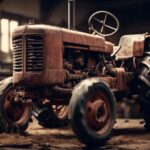
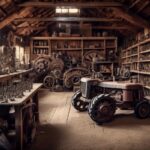
For those with a passion for the past, the allure of antique engines is more than a hobby—it's a window into the history that forged our agricultural present. If you've ever marveled at the roar of a vintage tractor or longed to know the stories behind these mechanical marvels, you're in the right place. The Tractor Club Chronicles invites you on a journey through time, where the echoes of old engines are as resonant today as they were in their heyday.
Understanding the evolution of farming technology isn't just about appreciating the machines; it's about recognizing the challenges faced by generations past and how they've influenced modern practices. With decades of experience in the restoration and celebration of antique engines, our chronicle does more than just recount tales; it delves into the pivotal role these machines and their caretakers have played in shaping agriculture.
For enthusiasts and historians alike, this narrative is not only a source of knowledge but a tribute to the dedication that has preserved this aspect of our heritage. As we turn the page, rest assured that the questions burning in the hearts of engine aficionados will find their answers in the chapters to come, beckoning you deeper into the annals of tractor history.
Key Takeaways
- Antique Engine Enthusiasts have been dedicated to safeguarding and celebrating antique tractors and farming equipment since their founding in 1985.
- The impact of antique engines on farming includes boosting efficiency, transforming manual tasks into mechanized processes, and promoting farming history and inspiration for future generations.
- Technological advancements in antique engines have educational value, contribute to the local economy, and inspire younger generations to pursue careers in agriculture.
- Preservation efforts and restoration techniques involve meticulous rust removal, paint restoration, engine maintenance, and collaboration among enthusiasts for knowledge sharing and historical preservation.
The Origins of Antique Engine Enthusiasts
Founded in 1985 with a modest 10 members, the Antique Engine Enthusiasts club emerged with a dedicated mission: to safeguard and celebrate the legacy of antique tractors and farming equipment, while fostering a deep understanding of agricultural history through educational initiatives.
What began as a small group of enthusiasts has blossomed into a thriving community of antique tractor aficionados. Over the years, the club's impact has been profound, evident in the annual tractor show that now boasts over 100 exhibitors showcasing meticulously restored antique tractors and farming equipment. The show has become a hallmark event, drawing in enthusiasts and spectators from far and wide to witness captivating tractor pulls and demonstrations.
The club's commitment to preserving agricultural heritage is further exemplified through its extensive workshops on tractor restoration and maintenance, ensuring that the knowledge and skills required to keep these historical marvels in operation are passed down through the generations.
With each passing year, the Antique Engine Enthusiasts club continues to cultivate a sense of belonging among its members, uniting them in their passion for antique tractors and the rich history they represent.
Evolution of Vintage Tractor Technology
The evolution of vintage tractor technology has been marked by a continuous pursuit of innovation and refinement, driven by the enduring commitment to enhance efficiency and productivity in agricultural practices. This evolution carries a deep sense of history and tradition, as enthusiasts aim to preserve the legacy of farming heritage while embracing technological advancements. The journey of vintage tractor technology reflects the passion and dedication of the members of the tractor club, as they strive to uphold the significance of antique tractors in modern agricultural practices.
- Preservation of Heritage: Vintage tractor technology represents a link to the past, embodying the rich history of farming and the ingenuity of early agricultural engineers. This preservation evokes a sense of belonging to a community that values tradition and craftsmanship.
- Technological Advancements: From the early days of steam engines to the development of combustion engines and beyond, the evolution of vintage tractor technology showcases the relentless pursuit of improvement and innovation. This progression fosters a sense of pride in the advancements that have shaped farming practices.
- Legacy for Future Generations: Vintage tractor technology serves as a bridge between generations, inspiring a deep sense of belonging as enthusiasts work to ensure that the legacy of antique tractors endures for future farmers and enthusiasts.
Impact of Antique Engines on Farming
The impact of antique engines on farming cannot be overstated. These historic machines have left an indelible mark on the industry, boosting farming efficiency and catalyzing the agricultural revolution through technological advancements.
The preservation and showcasing of the evolution of farming equipment play a crucial role. Not only do they promote an understanding of farming history, but they also inspire future generations to pursue careers in agriculture.
Farming Efficiency Boost
With their robust and reliable performance, antique engines have revolutionized the efficiency of farming practices, leaving an indelible mark on agricultural history. Their impact goes back decades, transforming laborious manual tasks into streamlined, mechanized processes.
The nostalgic hum of these engines at a flea market or a vintage farm equipment show evokes a sense of belonging and pride in farming heritage. The utilization of antique engines has not only increased productivity but also enhanced the precision and effectiveness of agricultural operations.
This boost in farming efficiency has been a driving force behind the evolution of farming techniques, showcasing the timeless relevance and significance of antique engines in shaping the agricultural landscape.
Technological Advancements Impact
An integral component of agricultural history, antique engines have left an enduring impact on farming practices, shaping the industry through their technological advancements and timeless relevance.
Their impact on agriculture is multifaceted, with significant contributions to educational value and the local economy.
These engines not only preserve farming heritage but also serve as educational tools, showcasing the evolution of farming techniques and inspiring younger generations to pursue careers in agriculture.
Moreover, antique engines contribute to the local economy through tourism and events, attracting enthusiasts and curious visitors alike.
Their preservation and educational value promote an understanding of the historical significance of agricultural machinery and its impact on modern farming practices, fostering a sense of belonging and appreciation for the industry's heritage.
Agricultural Revolution Catalyst
Antique engines have had a significant impact on farming, catalyzing the agricultural revolution and paving the way for modern advancements. Their historical significance and role in agriculture cannot be denied. The preservation methods employed by antique engine enthusiasts ensure that the legacy of these engines remains alive for future generations.
Here's how antique engines have impacted farming:
1) Preserving farming heritage: Antique engines serve as a reminder of the rich agricultural history, preserving traditional farming methods and techniques.
2) Education on farming evolution: These engines provide valuable insights into the evolution of farming, showcasing the progression from manual labor to mechanized processes.
3) Inspiring future generations: By learning about and experiencing antique engines, younger generations are inspired to appreciate and contribute to the agricultural sector.
The dedication to preserving and showcasing antique engines contributes to the continuity and advancement of farming practices.
Preservation Efforts and Restoration Techniques
Preserving antique engines involves several key steps to ensure their longevity and historical accuracy.
Firstly, meticulous rust removal methods are essential to prevent further deterioration. This may include techniques such as sandblasting or chemical treatments to remove existing rust and prevent future rust formation.
Secondly, paint restoration is crucial for maintaining the visual appeal and historical accuracy of the equipment. This involves carefully removing old layers of paint, matching the original color scheme, and applying a protective coating to prevent future damage.
Lastly, engine component preservation is vital for safeguarding the historical significance and functionality of these antique engines. This includes proper storage in a controlled environment to prevent moisture damage and corrosion. Additionally, documenting the engine's history and any repairs or modifications is important for future reference and research.
Rust Removal Methods
Enthusiasts of antique engines are dedicated to employing a variety of meticulous and effective rust removal methods as part of their preservation efforts and restoration techniques. These methods include:
- Electrolysis vs. Chemicals: Utilizing the power of electricity and water-based solutions or applying liquid chemical rust removers to dissolve and eliminate rust from metal surfaces.
- Mechanical Abrasion Techniques: Involves employing tools like wire brushes, sandpaper, or grinders to physically eliminate rust from metal surfaces through abrasive action.
- Natural Rust Removal Methods: Utilizing household items such as vinegar, lemon juice, or baking soda to create homemade rust removal solutions, offering a more environmentally friendly approach to rust removal.
These techniques are crucial in ensuring the longevity and beauty of antique engines, allowing enthusiasts to preserve and restore these historical treasures with care and dedication.
Paint Restoration Techniques
Dedicated to upholding the meticulous preservation of antique engines, enthusiasts also devote themselves to the intricate art of paint restoration techniques for antique tractors and farming equipment. Historical research forms the foundation of these techniques, ensuring that the colors and finishes applied are authentic to the equipment's era. Surface preparation is crucial, involving meticulous sanding, priming, and careful application of the chosen paint. Color matching, a skill that demands precision and expertise, is central to achieving an authentic restoration. To illustrate the intricacy of paint restoration, consider the following table:
| Restoration Step | Description | Importance |
|---|---|---|
| Historical Research | Researching original paint colors and finishes. | Ensures authenticity of restoration. |
| Surface Preparation | Meticulous sanding, priming, and painting. | Protects against rust and corrosion. |
| Color Matching | Precision in matching and applying paint colors. | Achieves an authentic restoration. |
Engine Component Preservation
With a commitment to maintaining the historical significance of antique engines, preservation efforts encompass meticulous cleaning, repair, and repainting techniques, ensuring the authentic restoration of engine components to their original working condition.
This dedication to preservation is evident in the following ways:
- Cleaning Techniques: Preservationists employ gentle yet effective cleaning methods to remove years of grime and rust, revealing the original luster of engine components.
- Historical Documentation: Detailed records are maintained, documenting the history and usage of each engine, preserving the stories and experiences associated with these mechanical marvels.
- Authenticity Verification: Restoration efforts involve thorough research and scrutiny to verify the authenticity of parts and materials, ensuring that each engine is restored as accurately as possible.
These preservation endeavors not only honor the legacy of antique engines but also foster a sense of belonging and shared appreciation among enthusiasts.
Notable Antique Engine Enthusiasts
Who are the remarkable figures that have left an indelible mark on the world of antique engines and farming equipment preservation? Notable enthusiasts' stories are woven into the rich tapestry of antique engine history.
Famous antique engine collectors like John Smith, whose passion for preserving vintage engines led to the establishment of a renowned museum, have contributed significantly to the legacy of these mechanical marvels. Their tireless efforts in locating, restoring, and showcasing rare engines have brought the past to life, captivating audiences with the ingenuity of bygone eras.
The contributions of vintage engine enthusiasts extend beyond mere preservation. They have fostered a sense of community among like-minded individuals, providing a platform for knowledge sharing, skill development, and camaraderie.
Their dedication to the meticulous restoration of antique engines has not only kept history alive but also inspired a new generation of enthusiasts to carry the torch forward. Through their unwavering commitment, these individuals have ensured that the legacy of antique engines will continue to thrive for years to come.
Future Prospects for Vintage Tractor and Engine Clubs
The future prospects for vintage tractor and engine clubs are poised to continue their legacy of preserving agricultural history while concurrently embracing technological advancements to engage a wider audience and nurture a new generation of enthusiasts.
1) Future Challenges: Vintage tractor and engine clubs face the challenge of attracting younger members and ensuring the preservation of farming heritage in the face of rapidly advancing technology and urbanization.
2) Outreach Strategies: To address these challenges, clubs are implementing outreach strategies such as social media campaigns, interactive websites, and virtual events to connect with younger audiences and showcase the relevance of antique tractors in modern agriculture.
3) Membership Growth: By emphasizing the educational and community involvement aspects, clubs are actively seeking to expand their membership base, creating mentorship programs, and collaborating with schools to inspire younger generations to appreciate and engage with the history of farming and antique tractors.
As vintage tractor and engine clubs navigate the future, their commitment to preserving agricultural history remains unwavering, and their proactive approach to embracing new technologies and expanding their outreach ensures the continuation of their rich legacy.